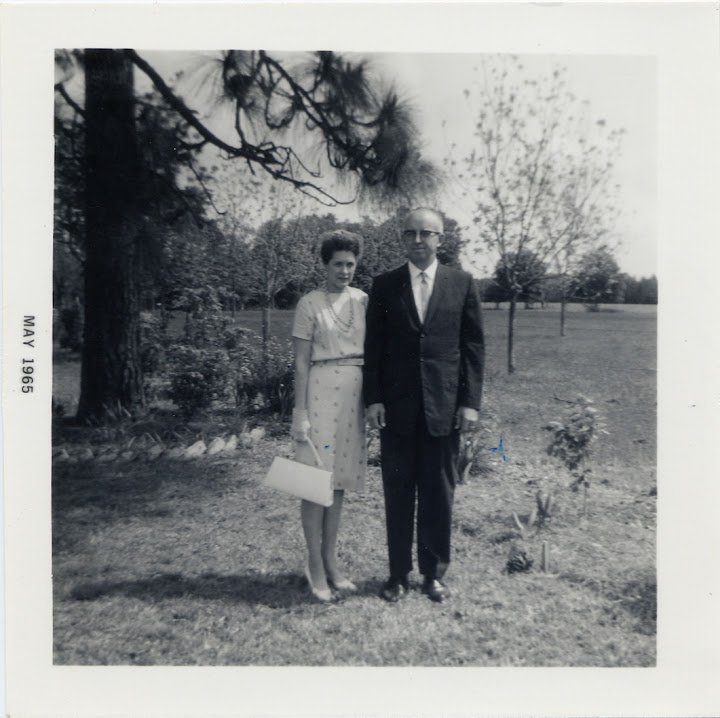
Three years after Mary Alice, the youngest arrived, Ray found a 180-acre farm in Union Church, Alabama for sale. Two elderly ladies, who had grown too old to live there, wanted to move into town from the simple but very strong wood frame house. The house did not have running water or a bathroom. Heat in the winter was by a fireplace and a gas floor heater in each room. There was no air conditioning, i.e. country life of the past.
He promised Dorothy he would add a bathroom as she refused to move until there was an option other than the two-hole outhouse. She also wanted running water rather than the pitcher pump the two old ladies used and a modern kitchen. He and Tommy, Vaughn Fredericks the next-door neighbor in town, and occasionally a friend from the office, went to the farmhouse every Saturday for about six months to remodel the house.
In October 1960 those “luxuries” and others were in place and the family moved to the farm. Don’t forget that Dorothy was a city girl having grown up on Broad St.–a five-lane inner city street–and rode the city bus to school. She worked in the largest law office in the heart of the City for the senior partner. This move would be a major transition for the young family.
Shortly after moving to the farm a field was fenced and we hauled Dolly and her calf home. Ray and Tommy would haul the two-row Farmall C tractor back and forth to the farm in Lucedale to keep both in the row-crop business. After a few years, he bought a four-row, butane-driven, Moline tractor. The farms were making money.
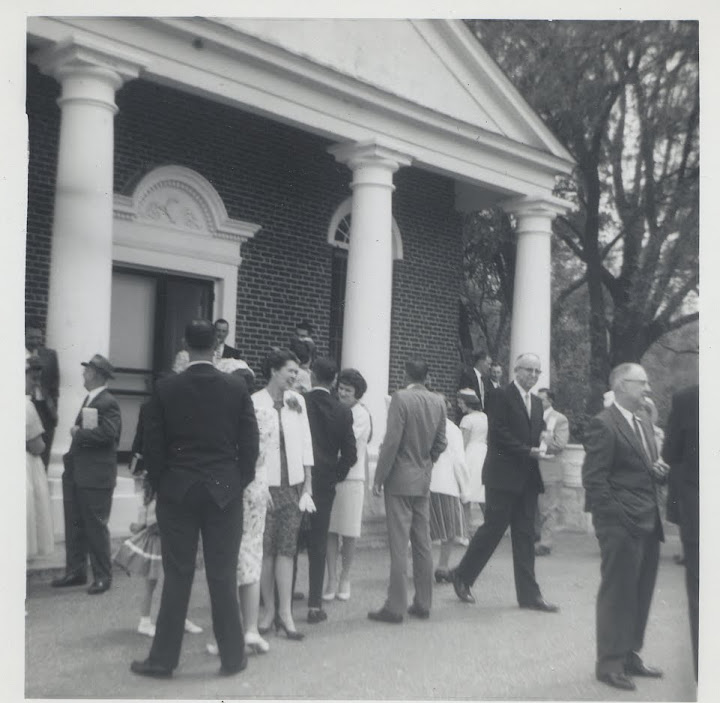
Ray would not work in the fields on Sunday unless the cows got out and that happened occasionally. Sunday was the day to go to church for Sunday School and the Worship Service. Then back that evening for Training Union and another sermon.
He and Dorothy decided to build a new modern house just behind the white frame house with the tin roof. The new brick house was built and the frame house was sold to the neighbor’s son who moved it down the road.
Life was good, the kids were growing up and doing well in school. Ray and Dorothy took turns being president of the Parent, Teachers Association (PTA) and she was head of Vacation Bible School for two years. His career at the phone company continued to progress with the promotion to Division Staff Engineer.
Notable changes happened and one stands out in this writer’s memory–Hurricane Camille, August 17, 1969. Thirty-five pecan trees were lost but the new house suffered no damage. They were without electricity for six days and lost all the frozen food Dorothy and the kids had put up that spring and summer.
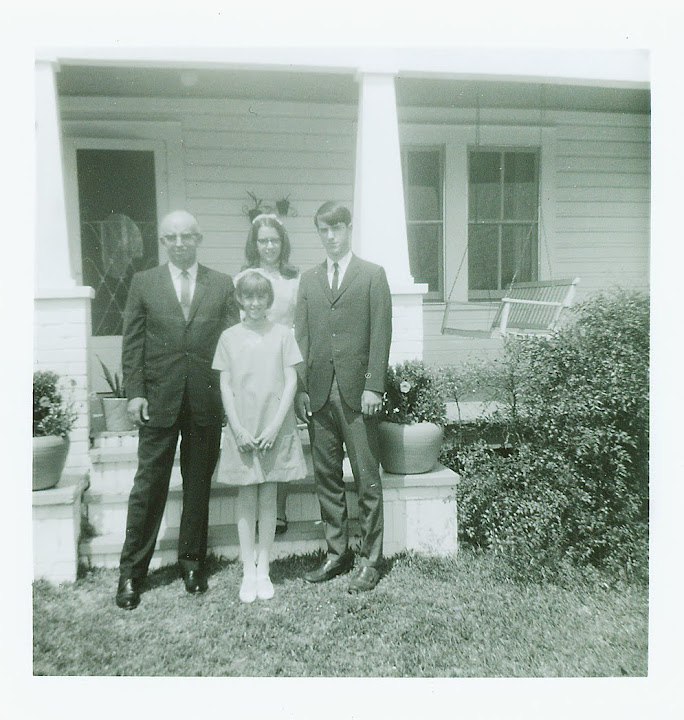
The next year Dorothy was not feeling well and grew worse. Her doctors recommended an exploratory surgery where, in October 1970, she was diagnosed with pancreatic cancer. Ray helped her through chemo and other attempts to find a cure until she passed away nine months later, on June 13, 1971. For Ray, the perfect life came painfully to an end and he had to continue to raise the kids, keep a job in town and tend the farm.