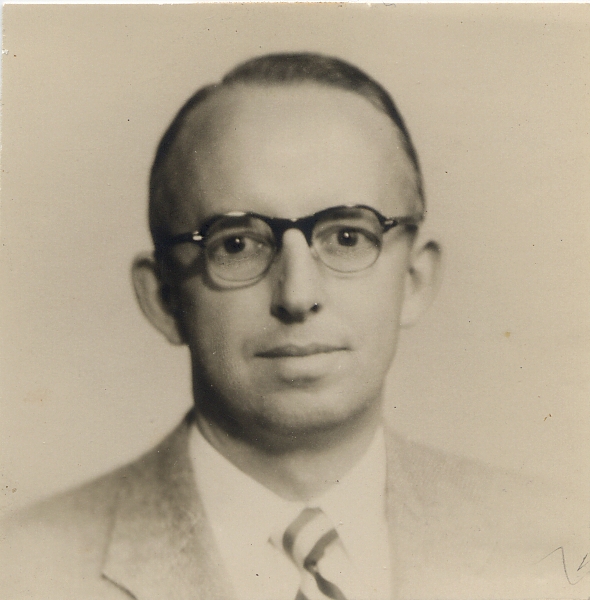
Upon returning from the war Ray went back to the telephone company in the engineering office. A story he told of that time was in the hours after a hurricane he had to return to climbing poles and was blown off as the winds were still strong. That story speaks a lot about his striving to improve his place.
He and Dorothy lived on Montgomery St. a few blocks from Dorothy’s parents and where she was raised. They walked to Broad Street Presbyterian Church where he became a deacon.
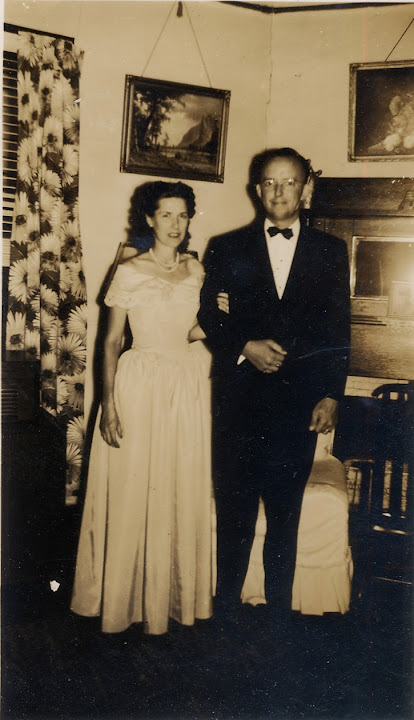
He bought his brothers’ and sister’s shares of his father’s 70-acre farm in Lucedale, Mississippi. A sharecropper, Robert and Betty Bradley, and their two children lived in the house and raised cotton, cows, pigs, and chickens. Ray and his nephew, Pepper (aka Mark) Lammon, would drive there many Saturdays. Later when Tommy (this writer) was born and Pepper became a young teen Tommy went with his dad to “the farm”. He often told Tommy that he felt bad that Pepper had felt replaced once Tommy came along. Pepper always was a special boy to Ray.
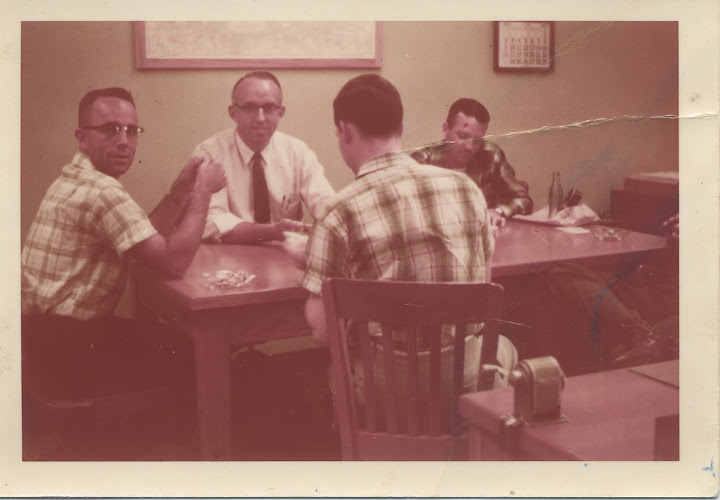
A year after Tommy was born Ray and Dorothy bought a new house at 2362 Juanita Street. Soon after moving there a new church was founded, Grace Presbyterian. He and Dorothy were founding members and he was asked to be a deacon, then an elder. Ray worked in the Engineering Office at Southern Bell Telephone and Telegraph Co.. He rose in the organization from a repair man climbing poles to the head of the District Engineering Office. He loved to play cards and beat us every time. He played Spades and Hearts at lunch with the guys at the office. He counted the cards as they played and could often tell us what we had left as the game got to the final cards.
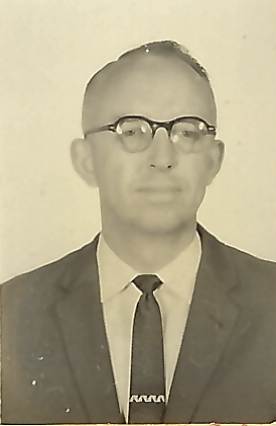
Mark Lammon, his nephew, shared a story of Ray building a pen in the backyard and raising two pigs. The pigs became really big-as pigs do, To move them to the farm in Lucedale he built a trailer that had the appearance of a large wooden crate with wheels like one would carry a lion or bear. The hogs were loaded and the trailer pulled behind the car to Lucedale. Surely Dorothy was glad to have the hogs out of the backyard. That had to be quite an experience for a city girl.
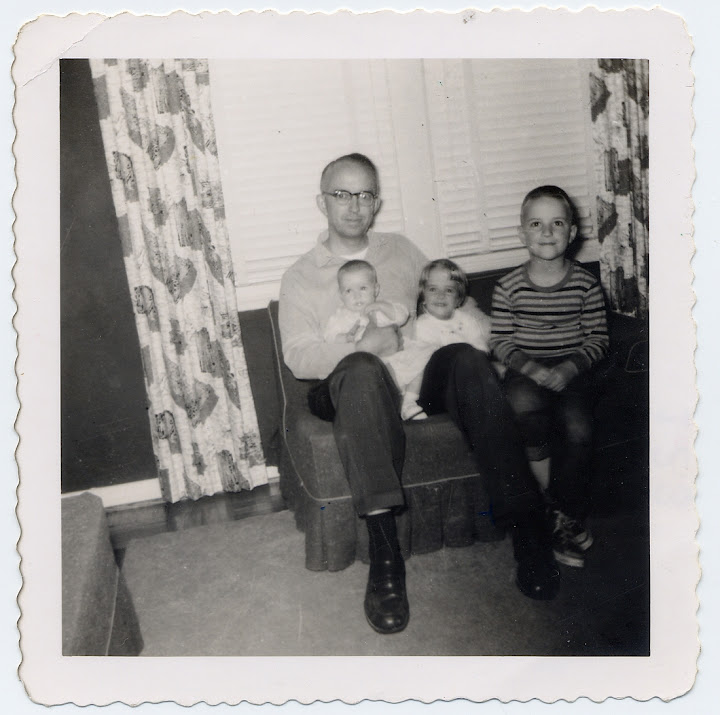
The farm “itch” was growing stronger. So after Peggy and Mary were born he found a 180-acre farm in Union Church, Alabama. He promised Dorothy he would add a bathroom as she refused to move there until there was one. She was not going to use the two-hole outhouse. She also wanted an electric pump instead of the hand-driven pitcher pump well the two old ladies that lived there used. Of course, a modern kitchen was also on the list of must-haves. So when those “luxuries” were in place the family moved to the farm. Don’t forget that Dorothy was a city girl having grown up on a five-lane street and rode the city bus to school. This move was a major transition for the young family.
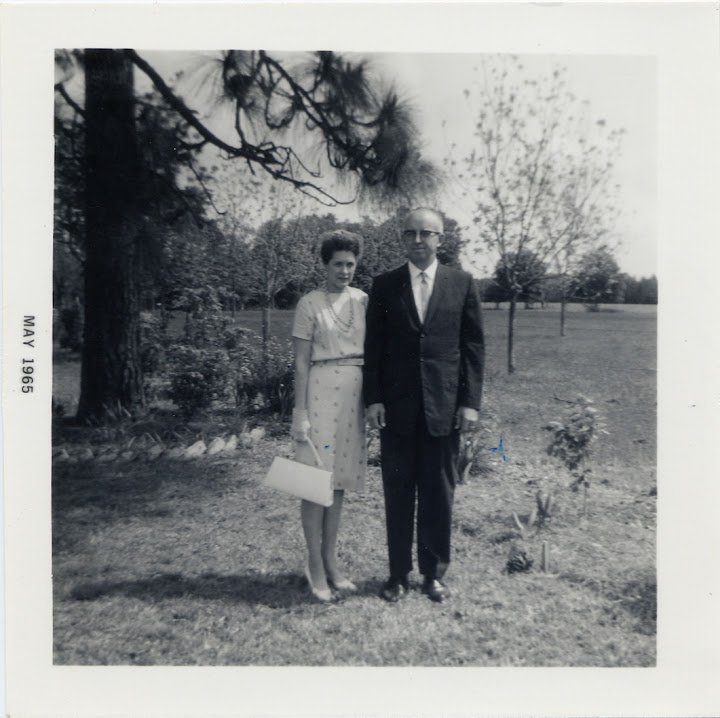
Ray would not work in the fields on Sunday unless the cows got out and that happened occasionally. He and Tommy would haul the two-row Farmall C tractor back and forth to the farm in Lucedale to keep both in the row-crop business. After a few years, he bought a four-row, butane-driven, Moline tractor. The farms were making money.
He and Dorothy decided to build a new modern house just behind the white frame house with the tin roof. The new brick house was built and the frame house sold to the neighbor’s son who moved it down the road.
Life was good, the kids were growing up and doing well in school.
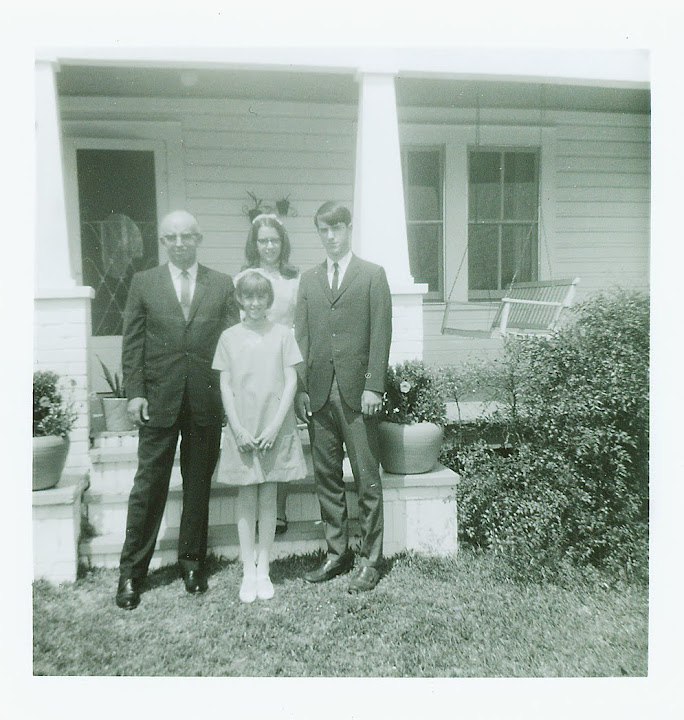
Notable changes happened and one stands out in this writer’s memory–Hurricane Camille, August 17, 1969. Thirty-five pecan trees were lost but the new house suffered no damage. They were without electricity for six days and lost all the frozen food Dorothy and the kids had put up that spring and summer.
But, Dorothy had not been feeling well and grew worse. Her doctors recommended an exploratory surgery where, in October 1970, she was diagnosed with pancreatic cancer. Ray helped her through chemo and other attempts to find a cure until she passed away nine months later, June 13, 1971.